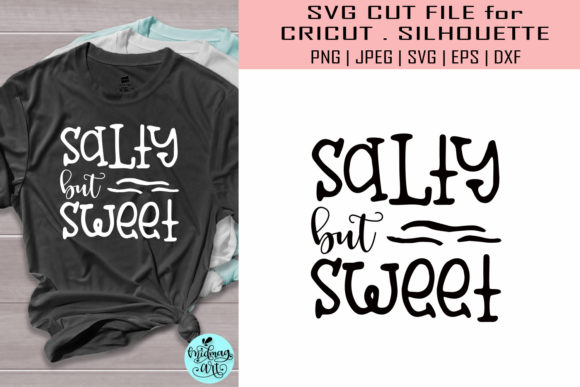
Salty but Sweet
As an embroidery designer and product reviewer, I always start by evaluating a new design with a critical eye. Salty but Sweet is a digital SVG file that promises to bring a playful yet sophisticated vibe to any project. The name itself hints at a balance between contrasting elements, and that’s exactly what the design delivers. It’s not just a graphic—it’s a statement.
The First Impression: A Playful Yet Polished Design
Salty but Sweet immediately catches the eye with its clean lines and balanced composition. The design features a stylized salt shaker and a sweet treat—probably a candy or a cupcake—side by side. The shapes are simple but well-proportioned, making it versatile for different applications. The layout feels intentional, with enough detail to be visually engaging without being overwhelming.
The visual personality of Salty but Sweet leans toward casual elegance. It’s perfect for summer-themed projects, beachwear, or anything that evokes a laid-back, fun atmosphere. The design has a modern feel that could work on t-shirts, tote bags, or even baby items. Its simplicity makes it easy to adapt to various color schemes and fabric types.
Real-Life Embroidery Scenarios: Where Salty but Sweet Shines
I tested Salty but Sweet on a custom embroidered tote bag for a client who wanted something unique for their boutique. The design translated well onto cotton canvas, with clear stitch definition and minimal distortion. The satin stitch areas were smooth, and the fill stitches didn’t look too dense, which is great for visibility and comfort.
This design would also work well on sweatshirts, especially for a casual, retro-inspired look. For baby clothes, it could be used as a patch or embroidered directly onto onesies, adding a cute and memorable touch. As an applique design, it could be layered over different fabrics to create depth and texture.
In a craft business setting, Salty but Sweet could be a strong selling point for Etsy sellers or small shop owners. Its clean aesthetic makes it ideal for printable mockups, and the design assets can be easily adapted for different marketing materials. It’s also a solid choice for holiday gifts, like embroidered pillow covers or tea towels, where the playful theme adds a personal touch.
Where to Be Cautious: Practical Considerations
While Salty but Sweet is generally well-suited for most embroidery projects, there are a few areas where care is needed. On small hoop sizes, the design may require careful placement to avoid cutting off details. If you’re working with textured fabrics or thin materials, the stitch density might need adjustment to prevent puckering or distortion.
On dark fabrics, the design might not stand out as much unless you use a contrasting thread color. For stretchy or curved surfaces like caps, it’s important to test the design on a similar material first. Tiny lettering or intricate corners could become less defined if the hoop size is too tight or the stabilizer isn’t properly applied.
For commercial embroidery projects, make sure the design is compatible with your machine and that you have the proper licensing. Always check the file formats provided—Salty but Sweet includes both SVG and DXF files, which should work with most cutting machines and design software.
Impact on Visual Appeal and Customer Perception
Salty but Sweet adds a sense of whimsy to any finished product. It’s the kind of design that people notice and remember. Whether it’s on a custom apparel piece or a personalized gift, it enhances the visual appeal without being too flashy. The clarity of the stitching is another plus, ensuring that the design looks professional and polished.
From a customer perspective, this design can increase the perceived value of a handmade product. It’s a unique addition that makes the item feel more special and thoughtful. For small business owners, using Salty but Sweet can help build brand consistency, especially if it aligns with the overall aesthetic of their shop or product line.
When it comes to giftability, this design is a winner. It’s versatile enough to be used in a variety of contexts, from birthday gifts to wedding favors. Its friendly and approachable style makes it appealing to a wide range of buyers, which is essential for maximizing engagement and sales.
Embroidery Designer Notes: Best Practices for Using Salty but Sweet
Before jumping into a full project, always test Salty but Sweet on scrap fabric. This helps identify any issues with stitch density, thread color contrast, or fabric compatibility. Check how the design looks in black and white mockups to ensure it works on both light and dark backgrounds.
If you're using it for commercial purposes, confirm the licensing terms. Some designs may have restrictions on resale or modification, so it's important to understand what you're allowed to do. Also, make sure the design works for both personal and commercial projects, depending on your needs.
Proper stabilizer use is key, especially when working with delicate or stretchy fabrics. For detailed areas, consider adjusting the stitch density to maintain clarity without overworking the fabric. And don’t forget to inspect the design closely—small details can make a big difference in the final outcome.
Final Thoughts: A Versatile and Enjoyable Design
Salty but Sweet is a design that offers both creative freedom and practicality. It’s not overly complex, but it has enough character to stand out in a crowded market. Whether you're an embroidery designer, a small business owner, or a hobbyist, this design can be a valuable addition to your collection of machine embroidery files.
It fits well into a variety of projects, from custom apparel to personalized gifts, and it’s adaptable enough to work across different fabric types and project scales. With the right preparation and attention to detail, Salty but Sweet can elevate your work and help you create something truly special.